CDC - Vietnam Ministry of Health
COVID-19 National Data Dashboard
Empowering public health decisions with real-time analytics.
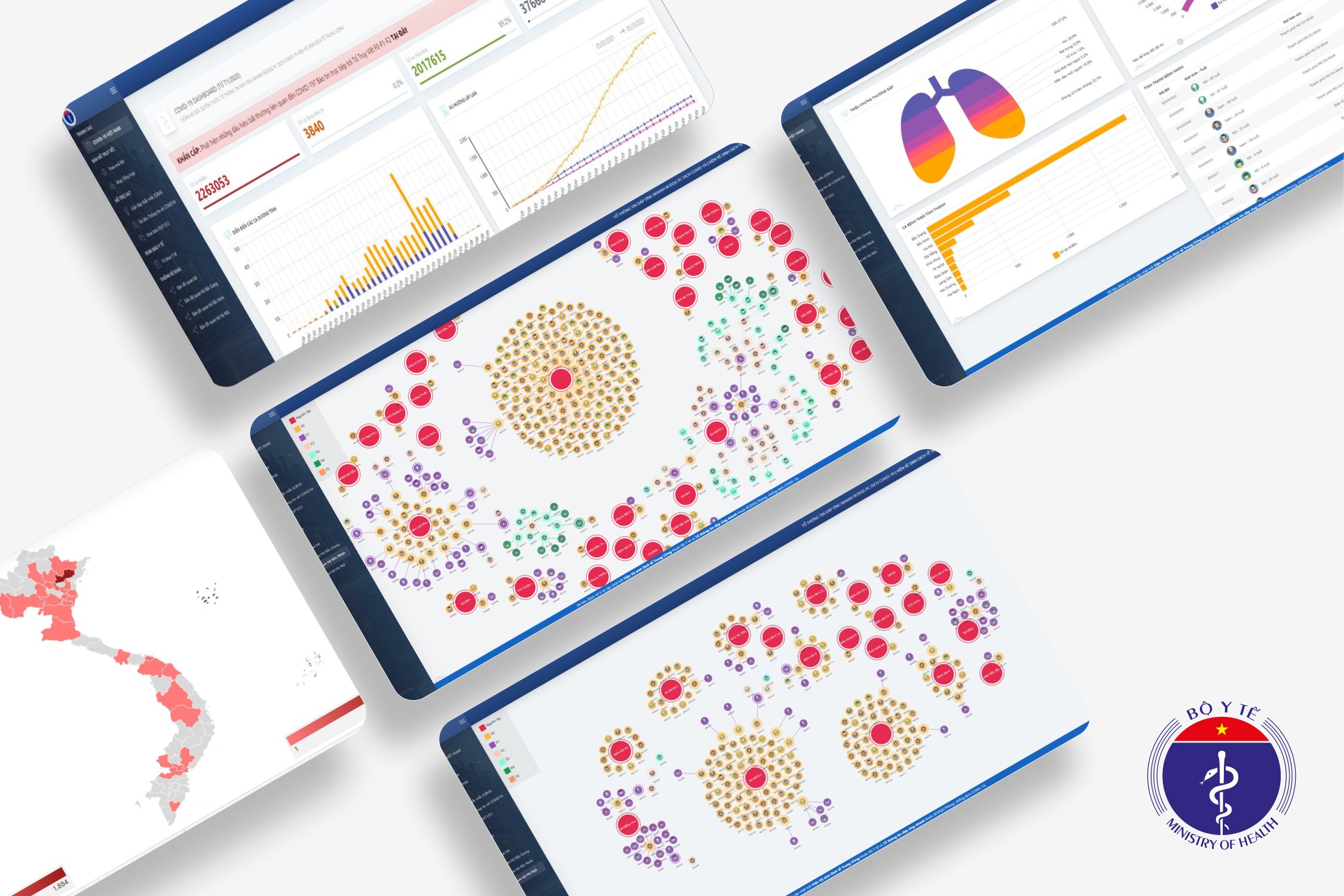
During the COVID-19 pandemic, I collaborated with a five-person team as Product Owner to ship data-driven solutions for national disease control. Together, we transformed 110K+ data points into actionable public health insights.
Due to confidentiality requirements, I am unable to share the full details of this project. Below is a high-level overview of my project and accomplishments.
Timeline
Jul 2020 - Mar 2021
Tools
JIRA
React
Node.js
Problem
Visualizing the Pandemic
This project aimed to support scientists and researchers in disease control efforts. Initially launched for internal study purposes, the website was made publicly accessible in December 2020, attracting 170,000 visitors by December 2021. To further enhance data encryption and safeguard patient privacy, it was later taken offline for maintenance.
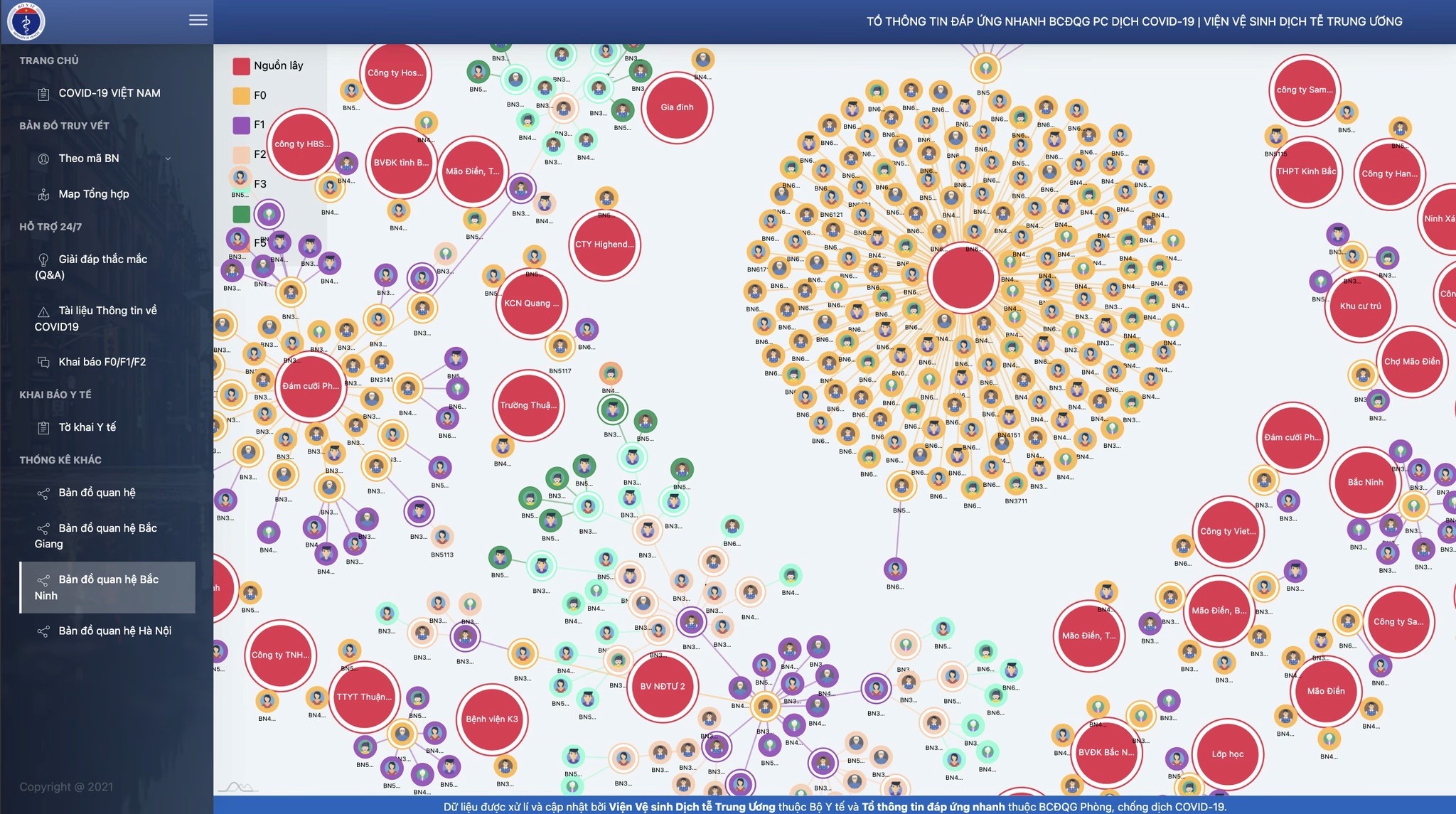
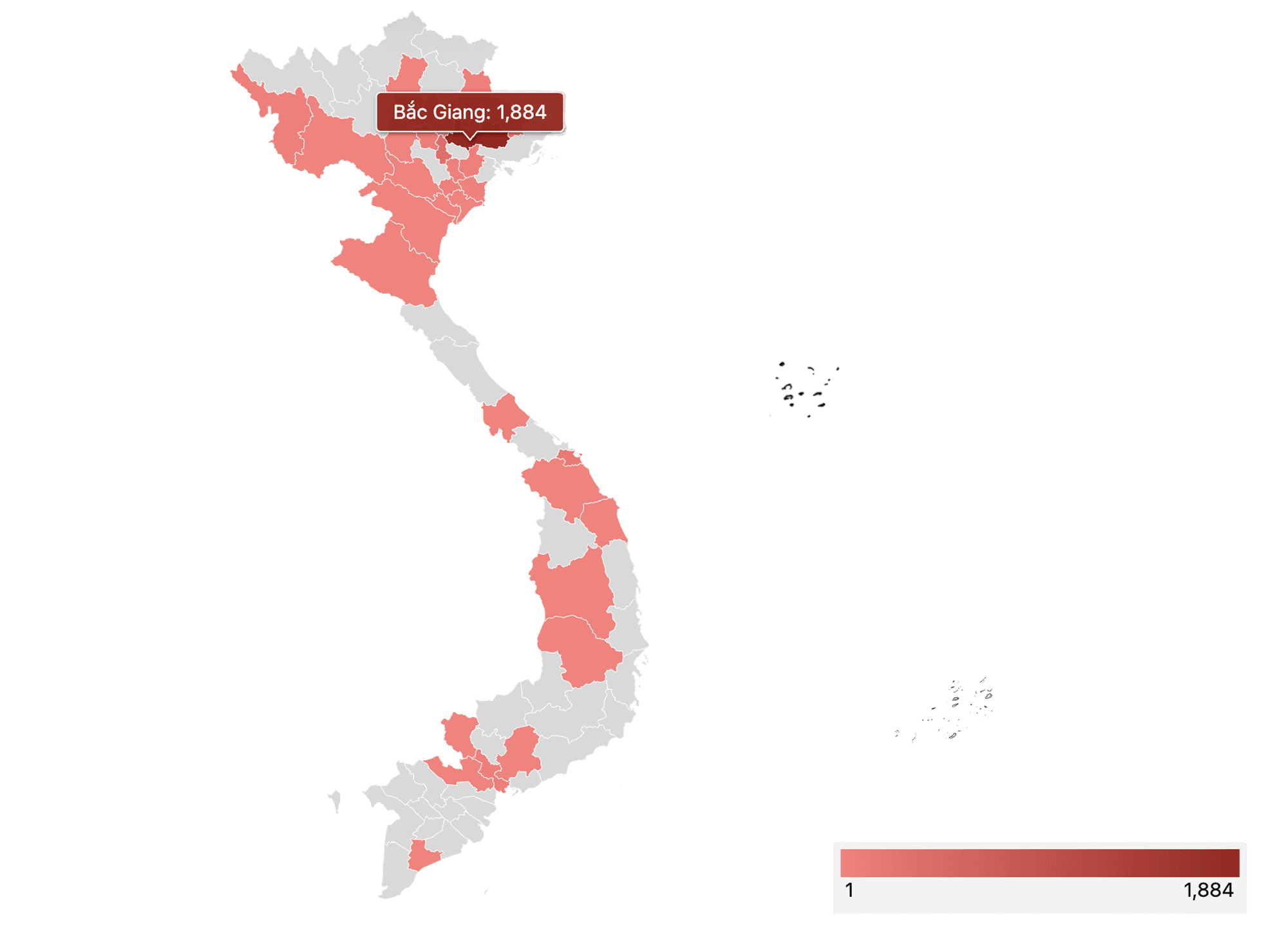
When Vietnam’s second COVID wave hit, traditional data tools like manual Excel tracking buckled under the surging volume and strict security requirements. Researchers and policymakers were left without the real-time visibility needed to identify transmission patterns and deploy resources effectively.
To resolve these fragmentation and security bottlenecks, I led the end-to-end design and development of a disease control dashboard that centralized fragmented data, modernized the CDC's workflow, and restored real-time crisis response capabilities.


Testing
Scaling Up
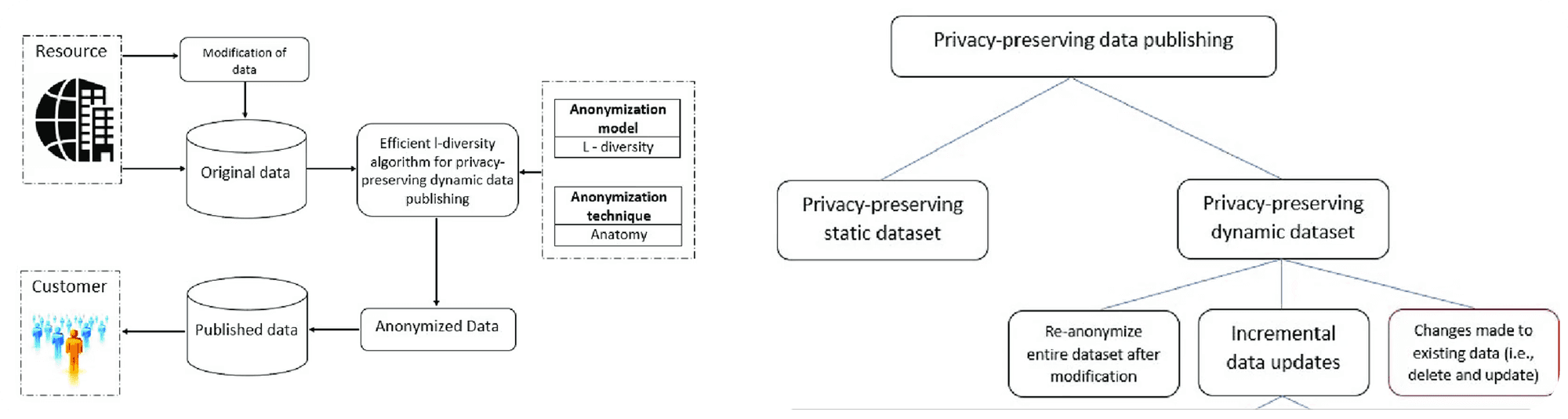
Our initial data pipeline successfully processed up to 300 case reports without issue. However, exponential data growth beyond this threshold caused pipeline bottlenecks and introduced strict privacy constraints regarding Personally Identifiable Information (PII).
To resolve this in our latest release, we engineered a secure backend integration to handle data anonymization via API calls. Moving forward, we are evaluating advanced anonymization models to optimize the trade-offs between data utility, privacy, and system performance.
Deliverables